Common Dog Walking Mistakes and How to Avoid Them


Understanding Your Dog's Needs
Walking your dog might seem straightforward, but it's important to understand your dog's specific needs. Different breeds and ages require varying levels of exercise. Make sure to tailor the walk to your dog's energy level and health conditions. Ignoring these needs can lead to behavioral issues and health problems.
Choosing the Right Equipment
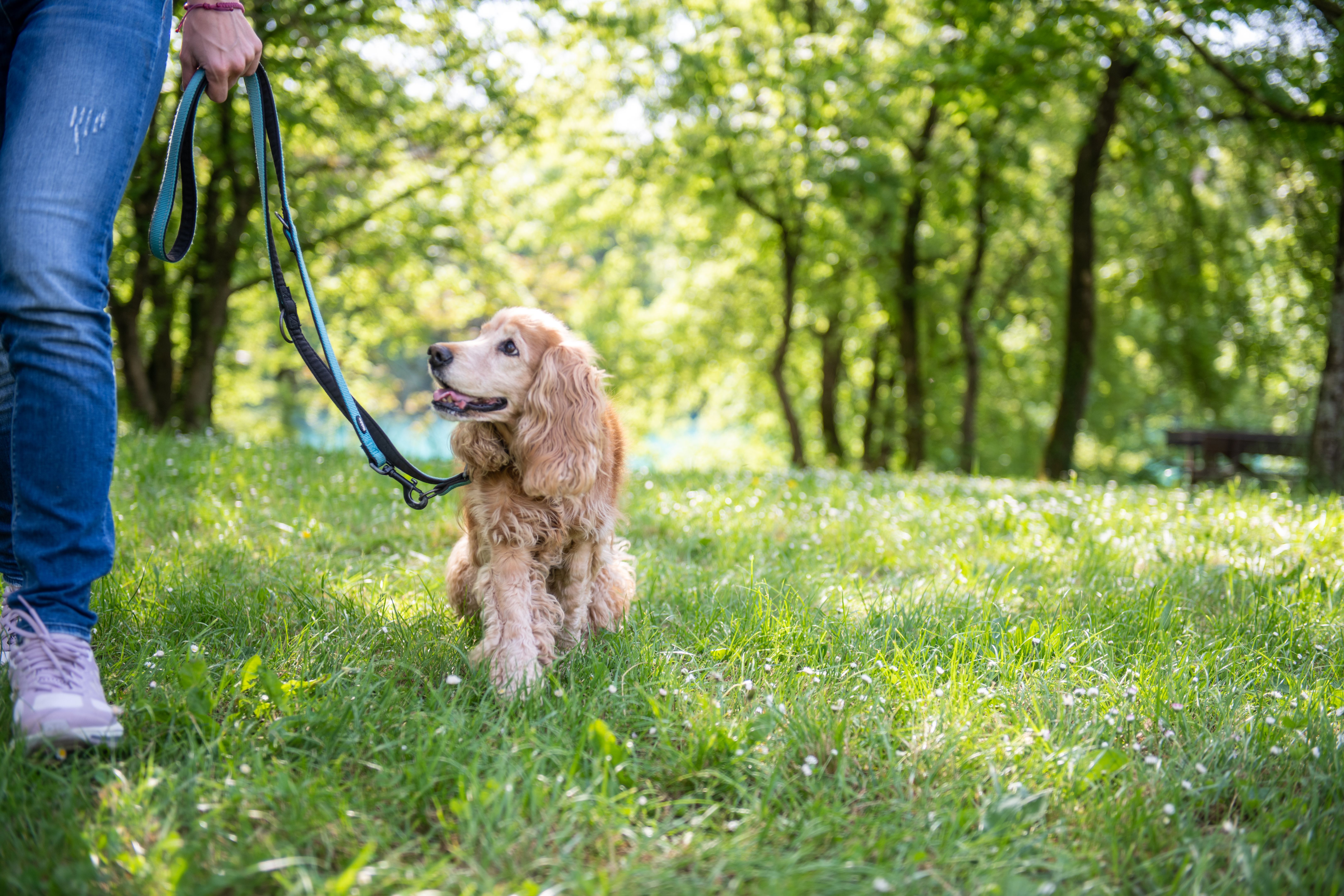
Using the wrong leash or collar can make walks uncomfortable for both you and your dog. Opt for equipment that suits your dog's size and temperament. For instance, a harness might be better for dogs that tend to pull. Avoid retractable leashes if your dog isn't trained to walk calmly, as they can encourage pulling and provide less control.
Avoiding Distractions
One common mistake is allowing your dog to pull towards every distraction. Train your dog to focus on you during walks. Consistency is key in teaching your dog to ignore distractions like other dogs, squirrels, or people. Use treats or a favorite toy to maintain their attention.
Setting a Routine
Dogs thrive on routine. Walking them at the same time each day helps them know what to expect and reduces anxiety. It also establishes a regular bathroom schedule, which is beneficial for both you and your dog.
Proper Socialization
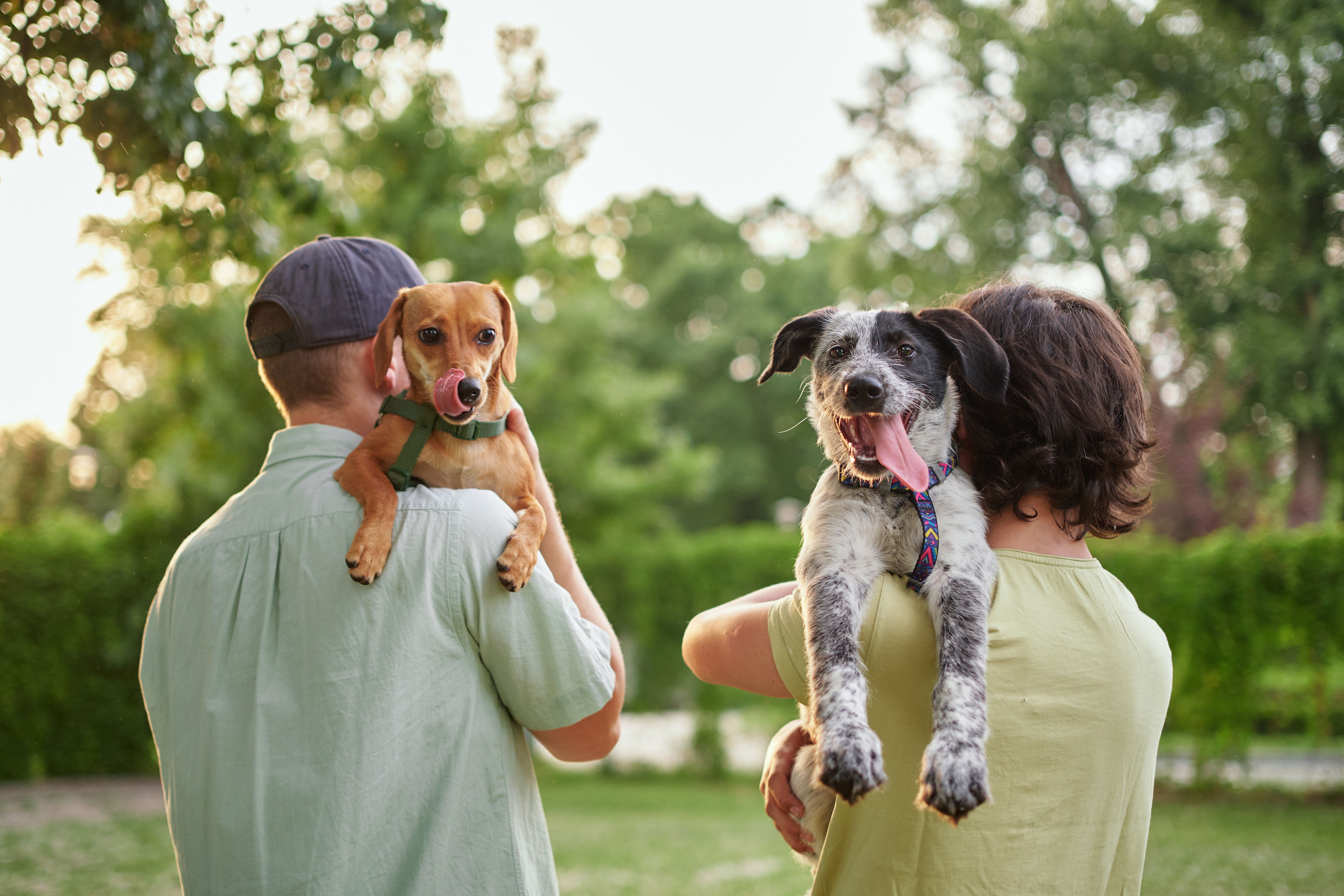
While walking, it's important to allow your dog to socialize with others. However, this should be done in a controlled manner. Let them greet other dogs briefly and ensure that interactions are positive. Always ask the other dog's owner if their pet is friendly before allowing an introduction.
Avoiding Overexertion
Overwalking can be just as harmful as under-exercising. Pay attention to your dog's energy levels and look for signs of fatigue, such as excessive panting or lagging behind. During hot weather, it's crucial to keep walks shorter to prevent overheating.
Being Mindful of Your Surroundings
Always be aware of your surroundings to ensure safety. Look out for hazards like broken glass, sharp objects, or aggressive animals. Stay vigilant and protect your dog from potential dangers during your walk.
Practicing Good Etiquette
Part of being a responsible pet owner is practicing good etiquette. Always pick up after your dog and dispose of waste properly. Respect other pedestrians and maintain control of your dog to ensure a pleasant experience for everyone.
By avoiding these common mistakes and being mindful of your dog's needs, you can ensure that your walks are enjoyable and safe for both you and your furry friend. Regular, well-managed walks are key to a happy and healthy dog.