Common Mistakes Dog Owners Make During Walks and How to Avoid Them


Introduction
Walking your dog is more than just a daily chore; it's an opportunity for exercise, bonding, and training. However, many dog owners unknowingly make mistakes during walks that can affect their dog's behavior and health. In this post, we'll explore common mistakes dog owners make during walks and how to avoid them.
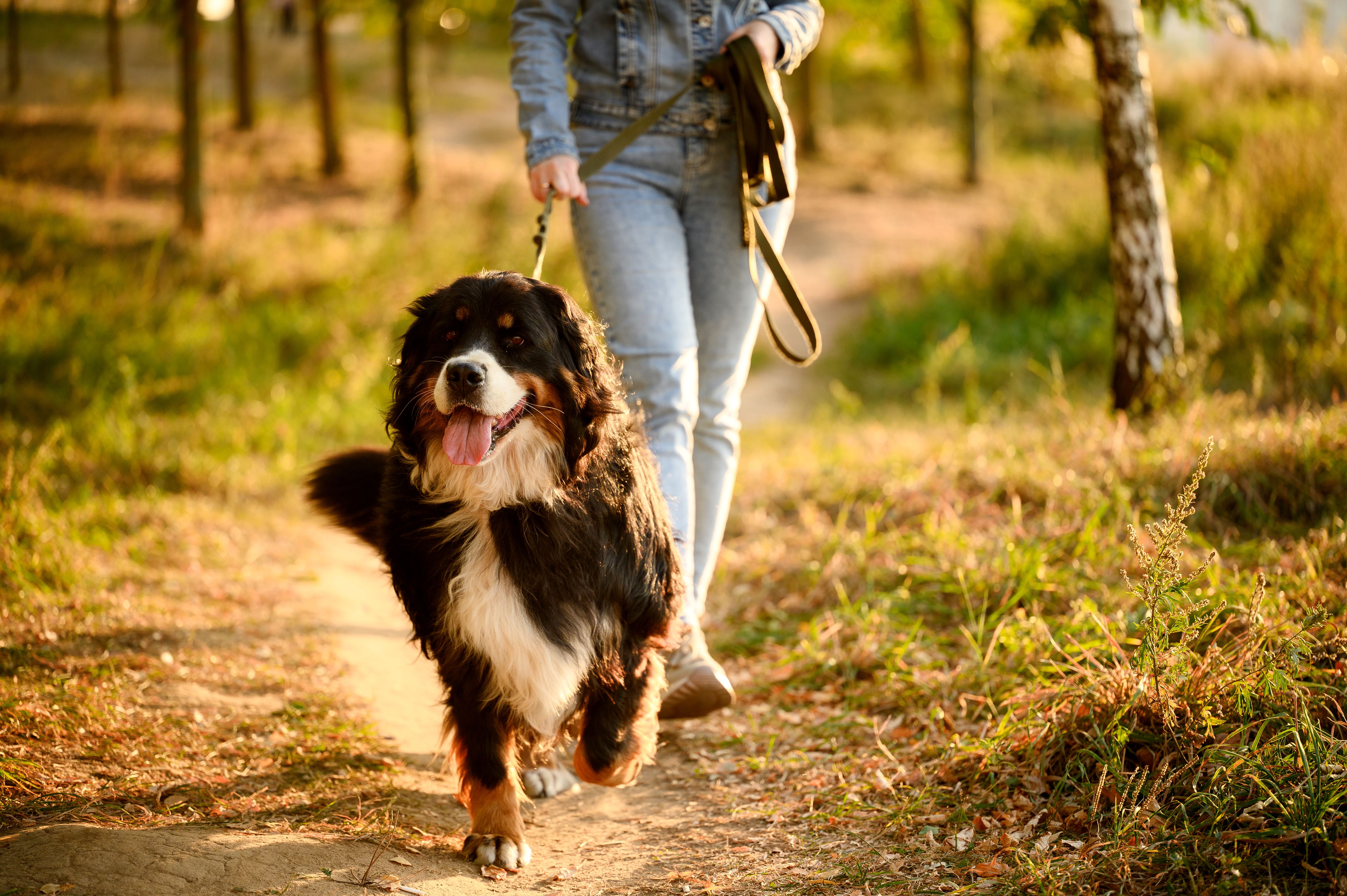
Using the Wrong Leash
The type of leash you use can significantly impact your control and your dog's comfort. A leash that's too long may lead to entanglements, while a retractable leash can encourage pulling. It's best to use a standard 4 to 6-foot leash that offers control without being restrictive.
Solution
Choose a sturdy, comfortable leash that suits your dog's size and strength. This will help you maintain control and ensure your dog's safety during walks.
Ignoring Basic Training
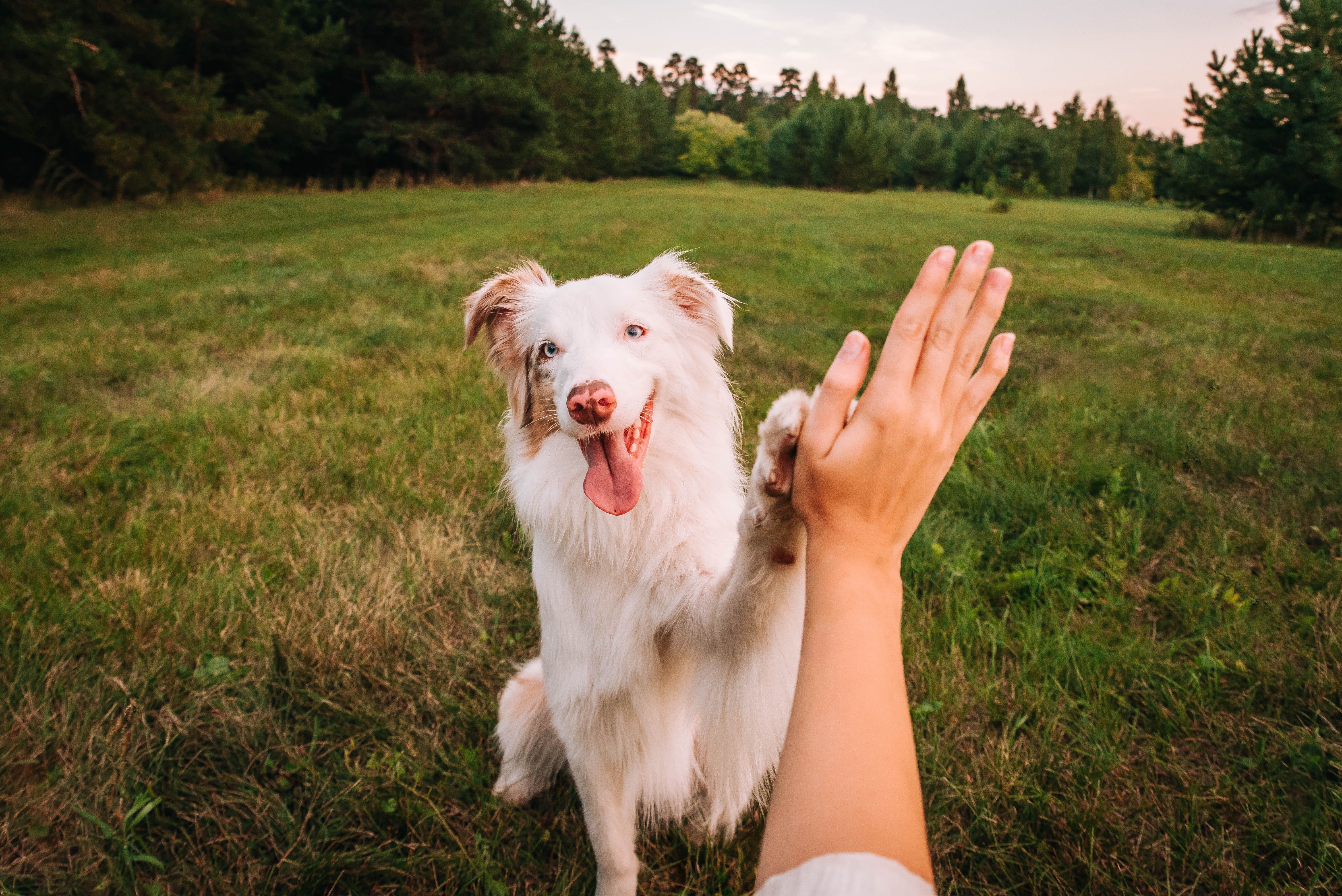
Skipping basic training can lead to walks that are stressful for both you and your dog. Without commands like "heel" or "leave it," your dog might pull, lunge, or become distracted easily.
Solution
Invest time in basic training to teach your dog essential commands. Consistent training will make walks more enjoyable and safe.
Not Picking Up After Your Dog
Leaving your dog's waste on the ground is not only unpleasant for others but can also spread disease. Responsible pet ownership includes cleaning up after your dog.
Solution
Always carry bags to pick up after your dog. Many parks and walking areas provide disposal bins, making it easy to keep the environment clean.

Overlooking Hydration Needs
Dogs can become dehydrated quickly, especially during long or hot walks. Failing to provide water can lead to heat exhaustion or other health issues.
Solution
Bring a portable water bottle and bowl to ensure your dog stays hydrated. Offer water breaks frequently, especially in warm weather.
Walking in Unsafe Areas
Some areas may have hazards like broken glass, aggressive dogs, or heavy traffic. Walking in unsafe areas can put your dog at risk of injury or stress.
Solution
Research and choose safe walking routes. Parks, trails, and dog-friendly neighborhoods are often good options for a pleasant walk.
Conclusion
A successful dog walk requires the right tools, training, and awareness. By avoiding these common mistakes, you can ensure that walks are enjoyable and beneficial for both you and your furry friend. Happy walking!