Common Mistakes to Avoid When Walking Your Dog


Choosing the Wrong Leash
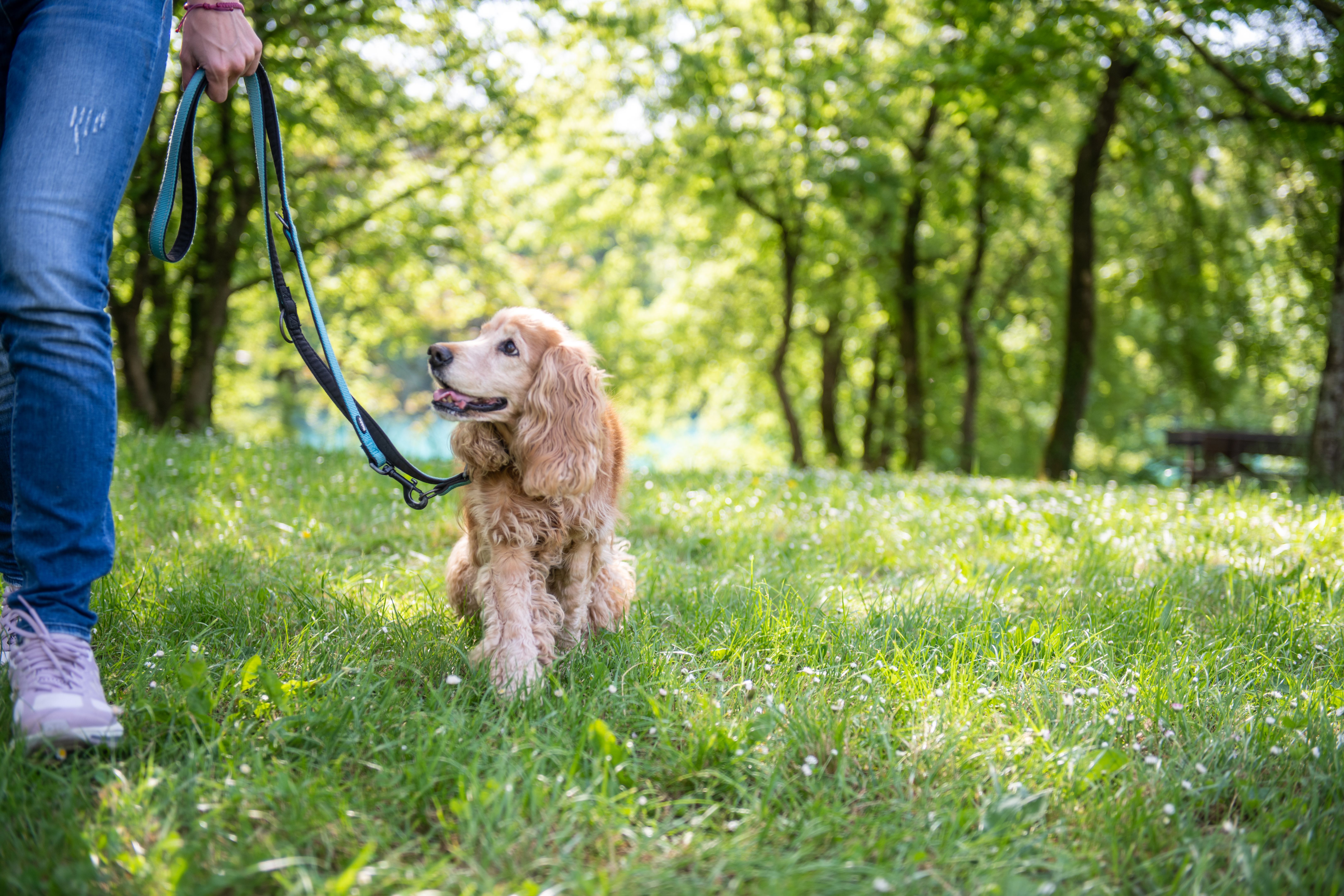
One of the most common mistakes dog owners make is selecting the wrong leash for their walking needs. A leash that's too long or too short can lead to a lack of control or discomfort for both you and your dog. It's important to choose a leash that suits your dog's size and temperament. For most dogs, a standard 4 to 6-foot leash works well.
Retractable leashes, while popular, can sometimes cause accidents or injuries. They may provide too much freedom, leading to potentially dangerous situations if your dog approaches a busy road or encounters an aggressive animal.
Skipping the Pre-Walk Routine
Before heading out, it's essential to establish a pre-walk routine. This includes ensuring your dog is calm and well-behaved before leaving the house. Many owners skip this step, leading to an overexcited dog that pulls on the leash.
Take a few minutes to practice commands like "sit" and "stay" before opening the door. This sets the tone for a more controlled walk and helps reinforce good behavior.
Ignoring Weather Conditions
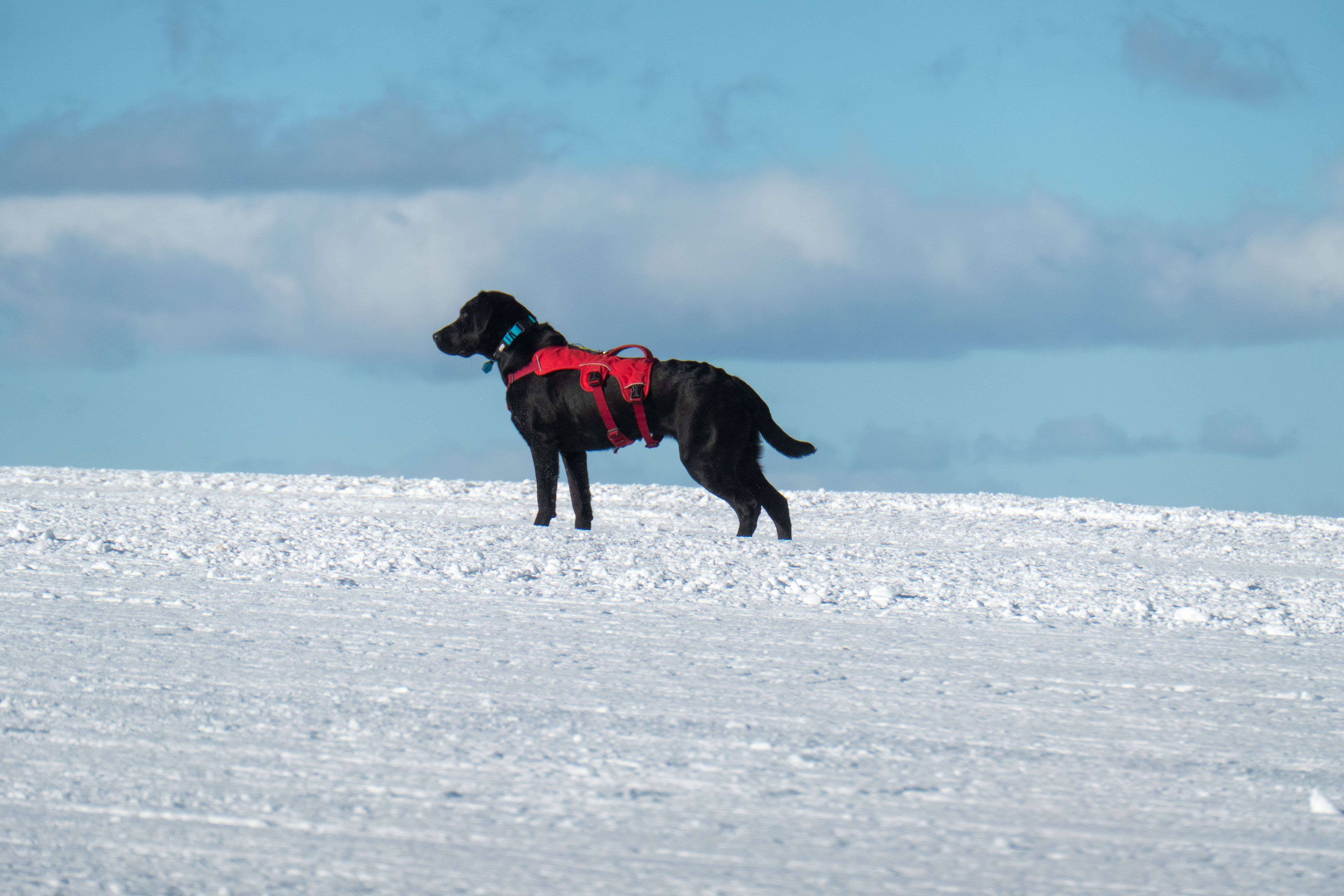
Weather plays a significant role in your dog's walking experience. Walking in extreme heat can lead to overheating or burnt paw pads, while cold weather might require protective gear for certain breeds. Always check the weather forecast and adjust your plans accordingly.
In hot weather, opt for early morning or late evening walks. In the cold, ensure your dog is comfortable with a sweater or jacket if needed, especially for smaller or short-haired breeds.
Forgetting to Bring Essentials
Leaving home without essentials like poop bags, water, and treats is a mistake many dog owners make. Having these items ensures you can clean up after your dog, keep them hydrated, and reward good behavior on the go.
- Poop bags for cleaning up waste
- A portable water bowl and bottle
- Treats for positive reinforcement
Neglecting Training Opportunities
Walking your dog isn't just about exercise; it's also a chance for training and socialization. Many owners miss out on these opportunities by focusing solely on the physical aspect of the walk.
Use the walk to practice commands and reinforce training. Allow your dog to interact with other dogs and people, helping them become well-adjusted and sociable.
Not Paying Attention
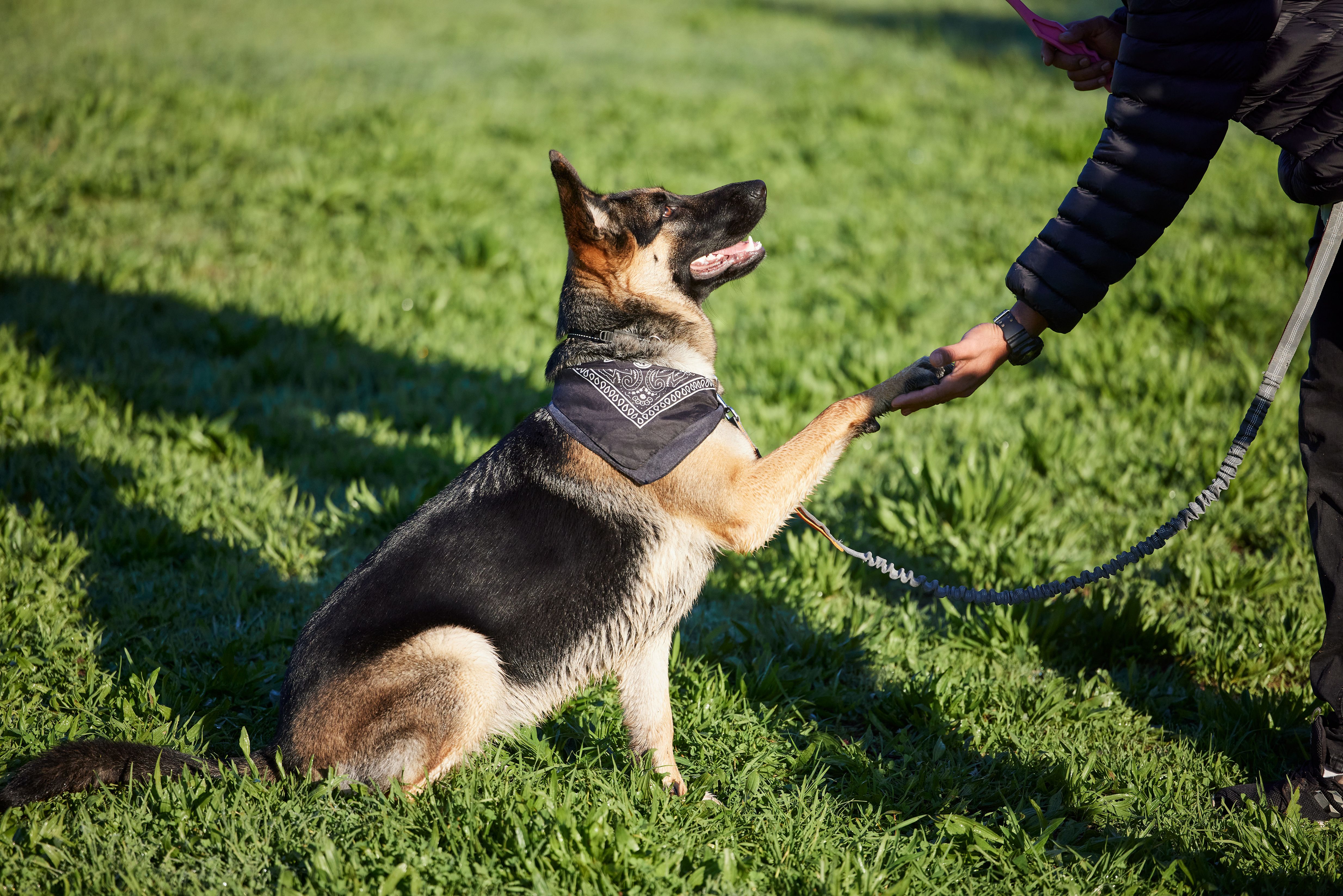
Distractions like smartphones can lead to a lack of attention, resulting in missed cues or potential hazards. Staying vigilant ensures you're aware of your surroundings and can react quickly if needed.
Keep your phone in your pocket and focus on your dog and the environment. This not only enhances safety but also strengthens the bond between you and your furry friend.
Overlooking Your Dog's Signals
Dogs communicate through body language, and ignoring these signals can lead to stress or anxiety. Pay attention to signs like tail position, ear movement, and posture to understand your dog's comfort level.
If your dog seems anxious or uncomfortable, take a moment to assess the situation and provide reassurance. This attentiveness can make walks more enjoyable and stress-free.