How to Keep Your Dog Safe During Walks: Expert Tips


Choose the Right Equipment
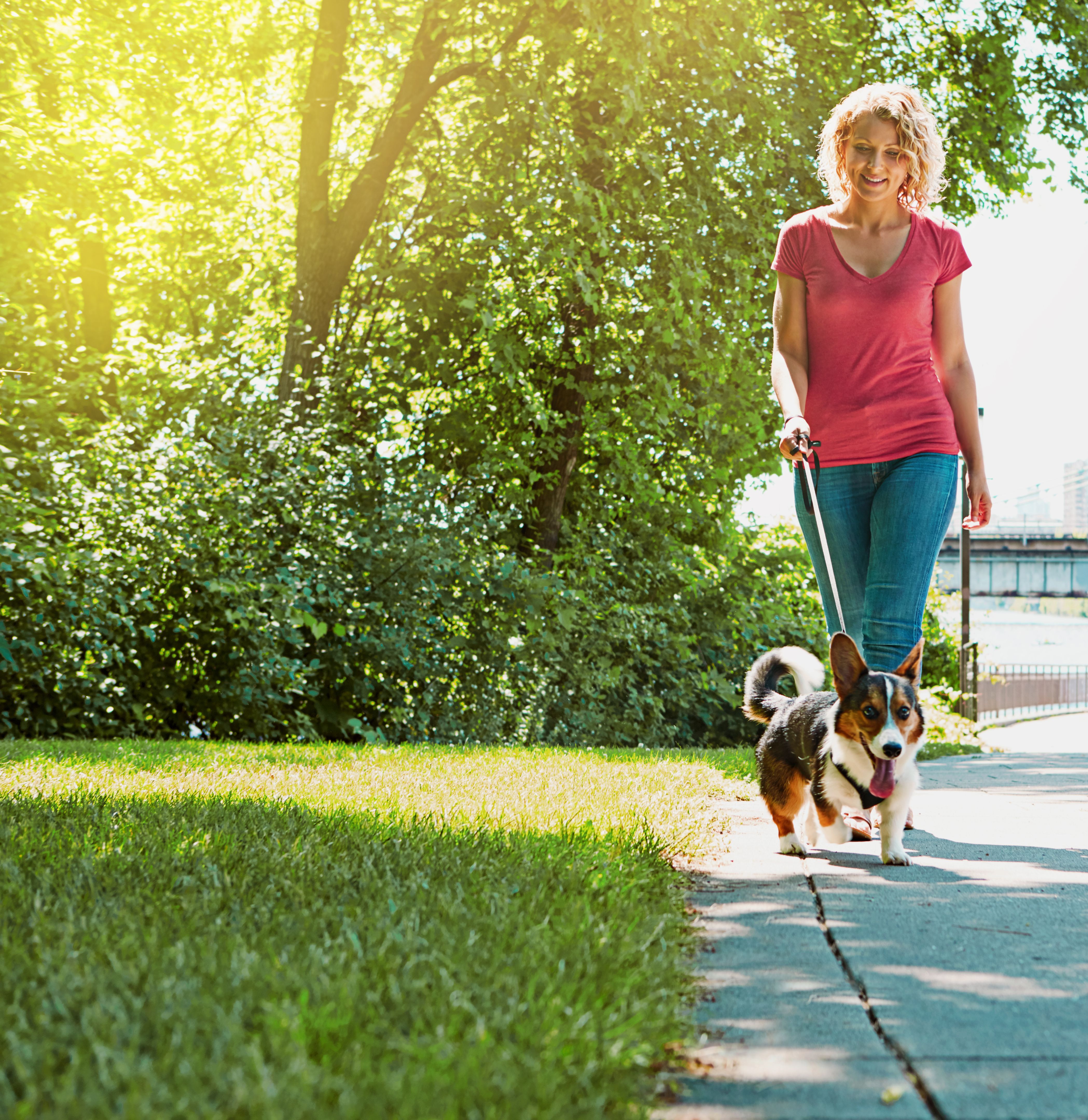
Ensuring your dog’s safety during walks begins with selecting the appropriate equipment. Opt for a well-fitting collar or harness that is comfortable yet secure. A harness is often recommended as it provides better control and reduces strain on the dog’s neck.
Leashes are equally important. Select one that suits your dog’s size and strength. A retractable leash might offer more freedom but could also pose risks if not used carefully. For most situations, a standard leash provides more control.
Stay Visible
Visibility is crucial, especially during early morning or evening walks. Equip your dog with reflective gear, such as a collar or vest. This makes them more visible to drivers and cyclists. It’s also wise to wear reflective clothing yourself to ensure mutual safety.
Consider carrying a flashlight or using LED lights attached to your dog's collar for added visibility. These tools help illuminate your path and alert others to your presence.
Be Mindful of Traffic
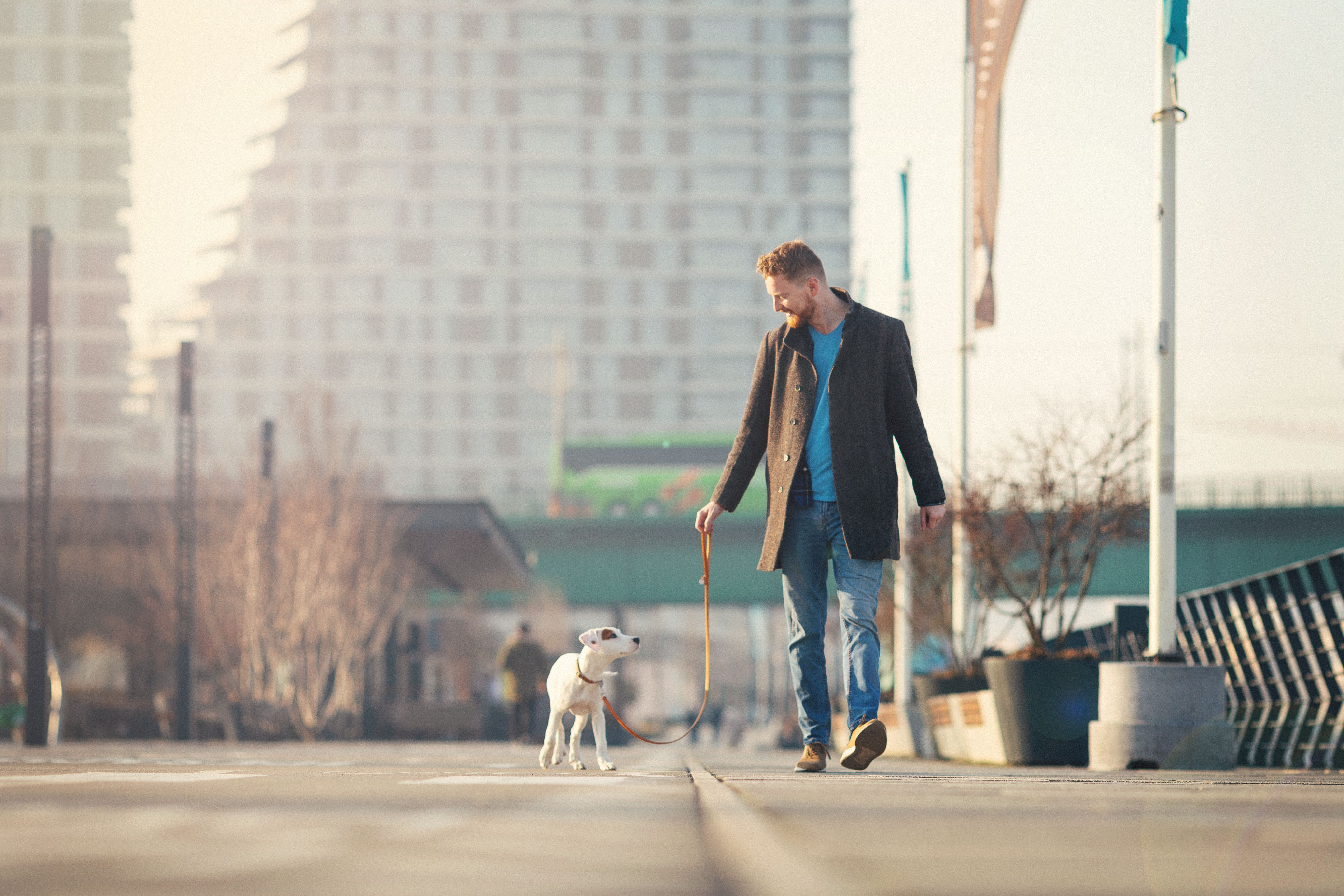
Always walk on the sidewalk when possible and keep your dog on the side away from traffic. Teach your dog to stop at intersections and look for oncoming vehicles. Consistent training and reinforcement can significantly reduce the risk of accidents.
Watch for Hazards
Be vigilant about potential hazards on your walking route. Broken glass, sharp objects, or even toxic substances like antifreeze can harm your dog. Keep a close eye on the ground and steer your dog clear of any potential dangers.
Additionally, be aware of other animals. Stray dogs or wildlife can pose threats, so it's crucial to maintain control and keep your dog close.
Adapt to Weather Conditions
Weather plays a significant role in your walking routine. In hot weather, avoid walking during peak heat times to prevent overheating. Provide plenty of water and take breaks in shaded areas.
Cold Weather Precautions
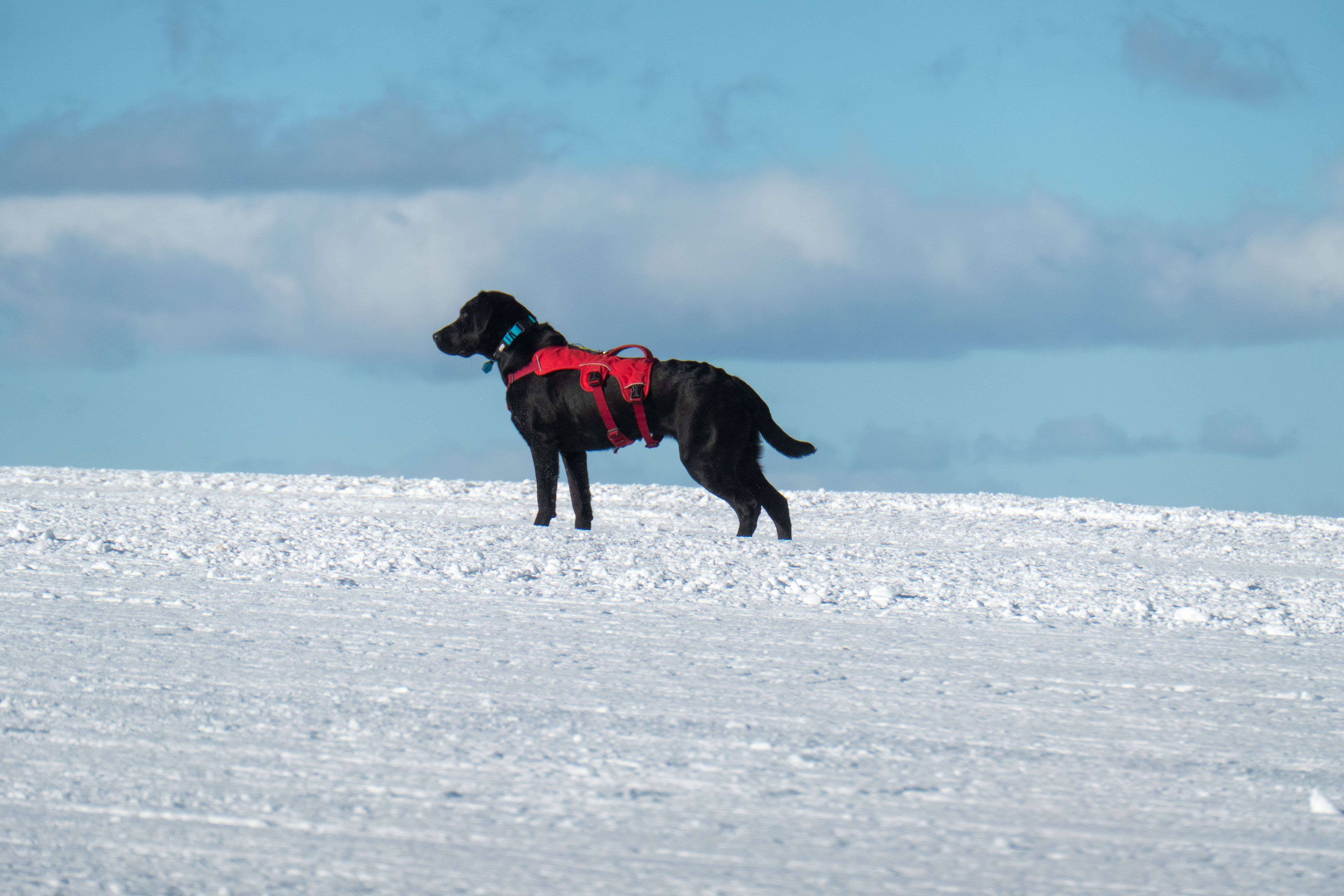
In cold weather, protect your dog with a coat or sweater if needed. Be mindful of ice and salt on sidewalks, as they can irritate your dog’s paws. Consider using paw wax or booties for added protection.
Keep Your Dog's ID Updated
Ensure your dog always wears an ID tag with current contact information. Microchipping provides an additional layer of security if your dog gets lost. Regularly check that the information is up to date and legible.
Having proper identification greatly increases the chances of a safe reunion if your dog ever becomes separated from you.
Maintain Vigilance and Awareness
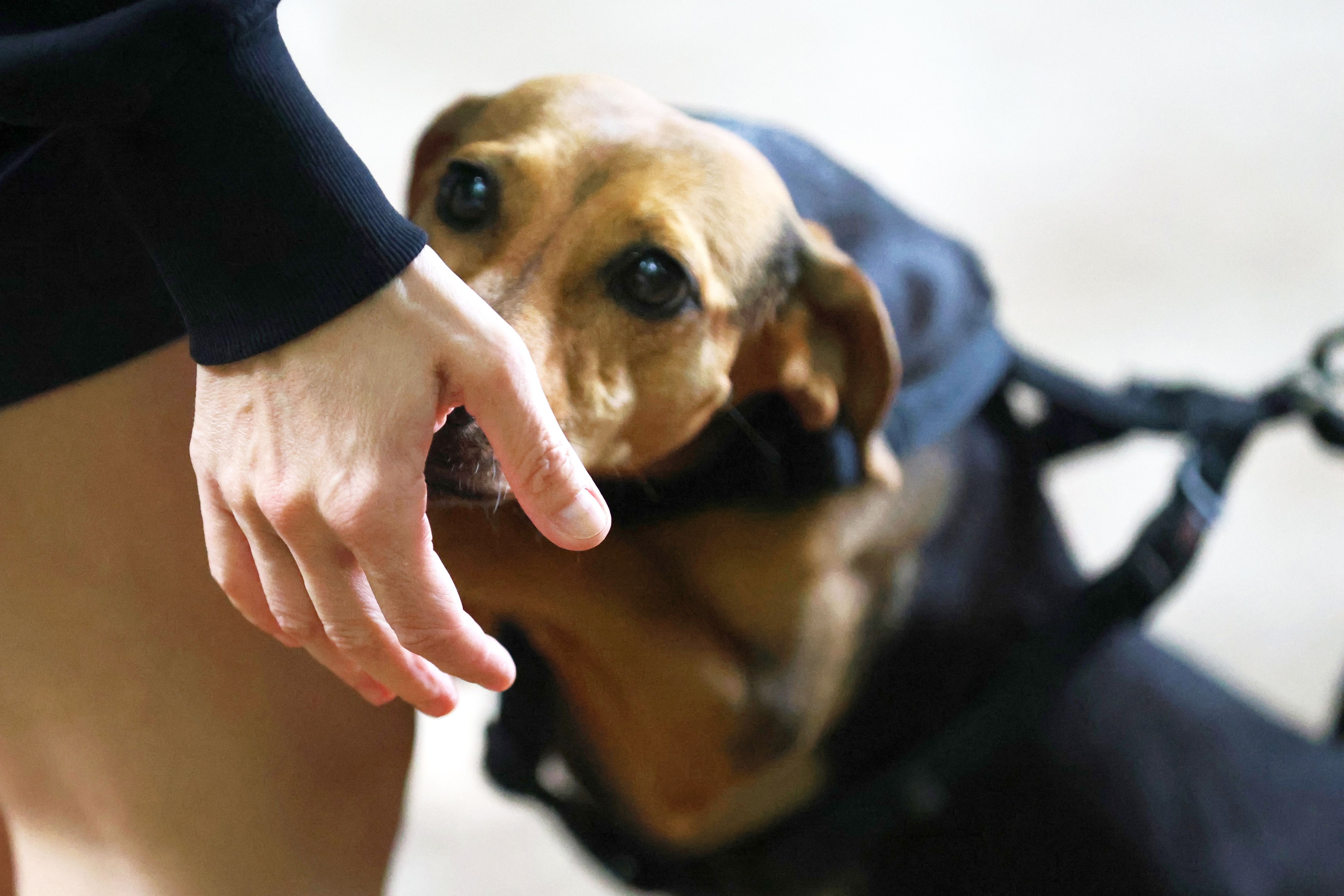
Stay attentive during walks and avoid distractions such as mobile phones. Being aware of your surroundings allows you to react promptly to potential threats or changes in the environment.
By implementing these expert tips, you can ensure enjoyable and safe walks for both you and your furry friend. A little preparation and awareness go a long way in protecting your beloved companion.