How to Prepare Your Dog for a New Walking Routine


Understanding Your Dog's Needs
Before embarking on a new walking routine with your dog, it's crucial to understand their current fitness level and needs. Some dogs are naturally more energetic, while others may require a slower pace. Assessing your dog's health and energy levels will help you tailor a walking routine that suits them best. Consulting with a veterinarian can also provide insights into any potential health concerns.
Consider the breed, age, and size of your dog as these factors can significantly influence their stamina and walking capacity. Puppies and senior dogs usually need gentler routines, whereas active breeds may thrive on more challenging walks.
Establishing a Consistent Schedule
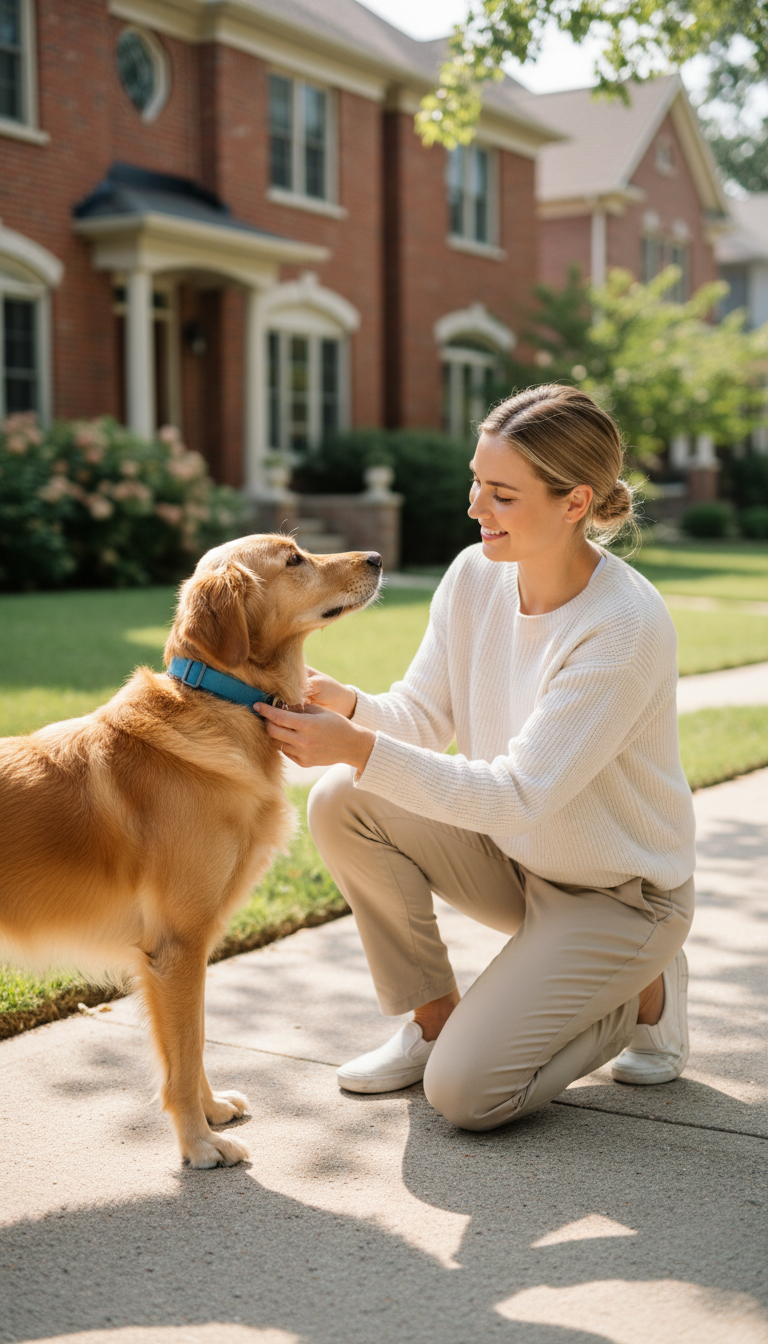
Consistency is key when establishing a new walking routine. Dogs thrive on routine, and having a set schedule can help them adjust more quickly. Start by setting specific times for walks each day, which can also help in managing their energy levels and behavior throughout the day.
Gradually increase the duration and intensity of the walks. Begin with short, manageable walks and slowly build up to longer sessions. This gradual buildup helps prevent injury and allows your dog to adapt comfortably to the new routine.
Equipping Proper Gear
Ensure you have the right gear for your dog to make the walks enjoyable and safe. A well-fitted harness or collar, a sturdy leash, and appropriate footwear for yourself are essential. Reflective gear is recommended for walks during low-light conditions to ensure visibility and safety.
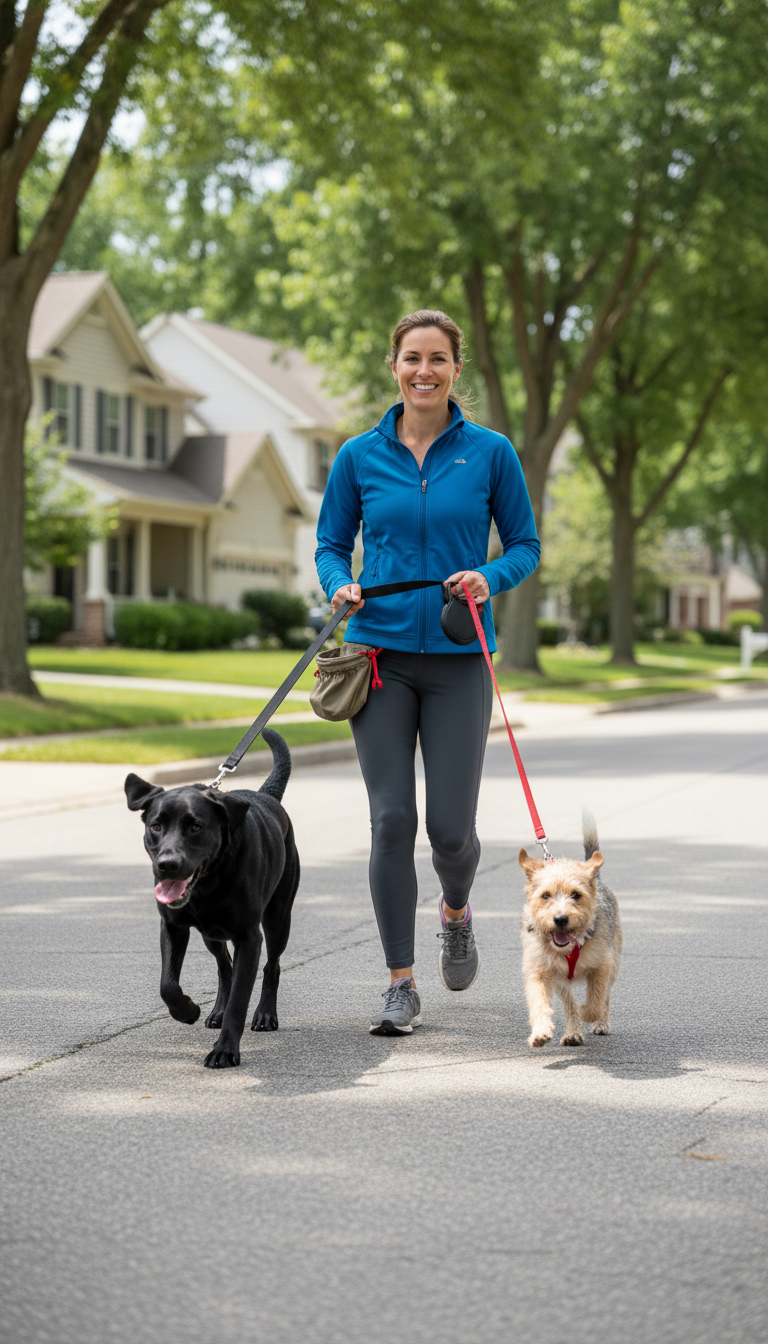
Additionally, carrying water and snacks can be beneficial, especially on longer walks. Portable water bowls and healthy treats can keep your dog hydrated and energized during the journey.
Incorporating Training and Socialization
Walking is not just about physical exercise; it's an excellent opportunity to incorporate training and socialization. Use the walk to reinforce basic commands such as "sit," "stay," and "heel." Rewarding good behavior with treats can enhance their training experience.
Encourage socialization by introducing your dog to new environments, people, and other dogs. This exposure helps in developing a well-rounded and sociable pet.
Monitoring Your Dog's Health
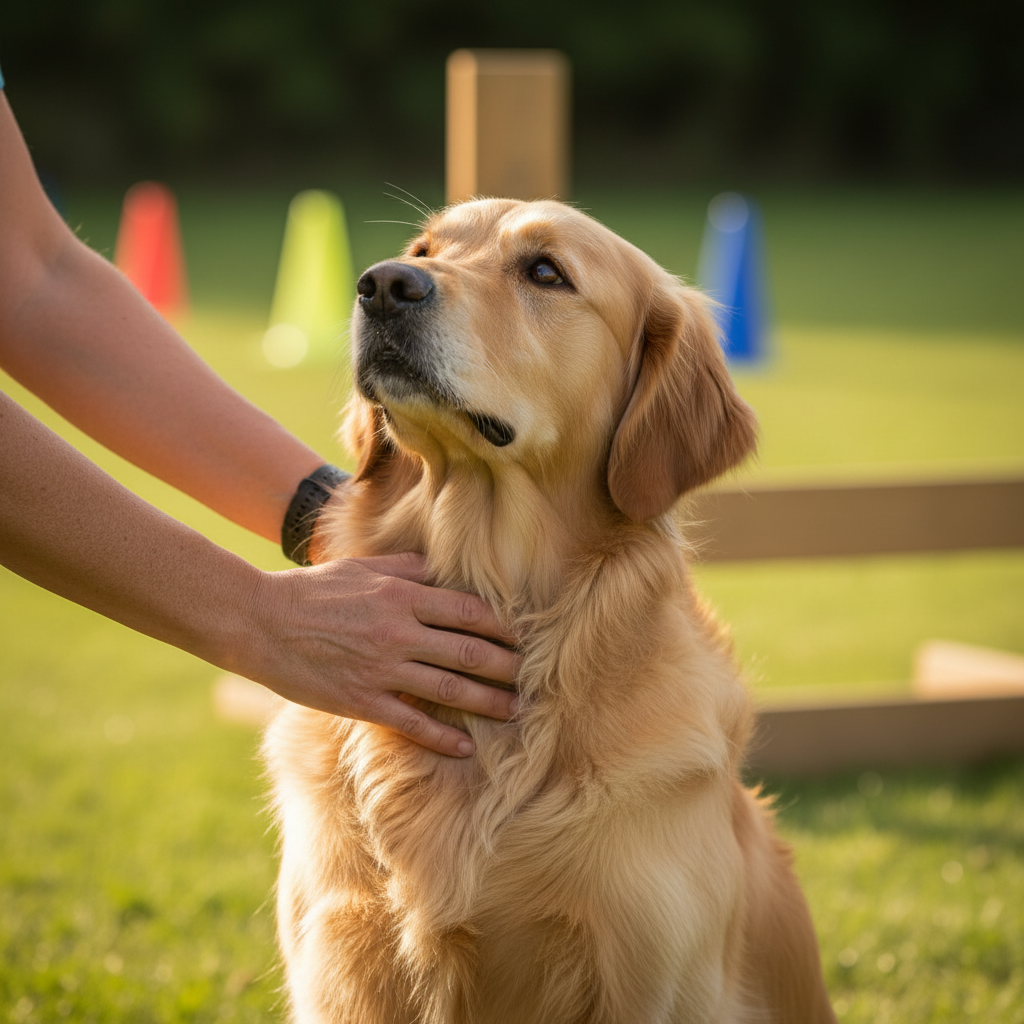
Keep a close eye on your dog's health and behavior during and after walks. Look for signs of fatigue, discomfort, or distress. It's important to be attentive to any signals that your dog may need a break or a change in routine.
Regular check-ups with a veterinarian can ensure that your dog remains in good health and that the walking routine continues to be suitable for them.
Conclusion
Preparing your dog for a new walking routine requires patience, understanding, and consistency. By taking the time to assess their needs, establish a routine, and equip them properly, you can create a positive and enriching experience for both you and your furry friend. Remember, the goal is to enhance your dog's quality of life through enjoyable and stimulating walks.