How to Prepare Your Dog for a Successful Walk: Insights from 4 Paws on a Bus


Understanding Your Dog's Needs
Before heading out for a walk, it's important to understand your dog's specific needs. Age, breed, and health can all influence how far and how fast you should walk. Ensure that your dog is physically ready for the activity. Consult your veterinarian if you have any concerns about your pet's health or fitness level.
Some breeds require more exercise than others, so tailor your walks to suit your dog's energy levels. High-energy breeds like Border Collies may need longer walks, while smaller breeds might be content with shorter distances.
Gathering the Right Equipment
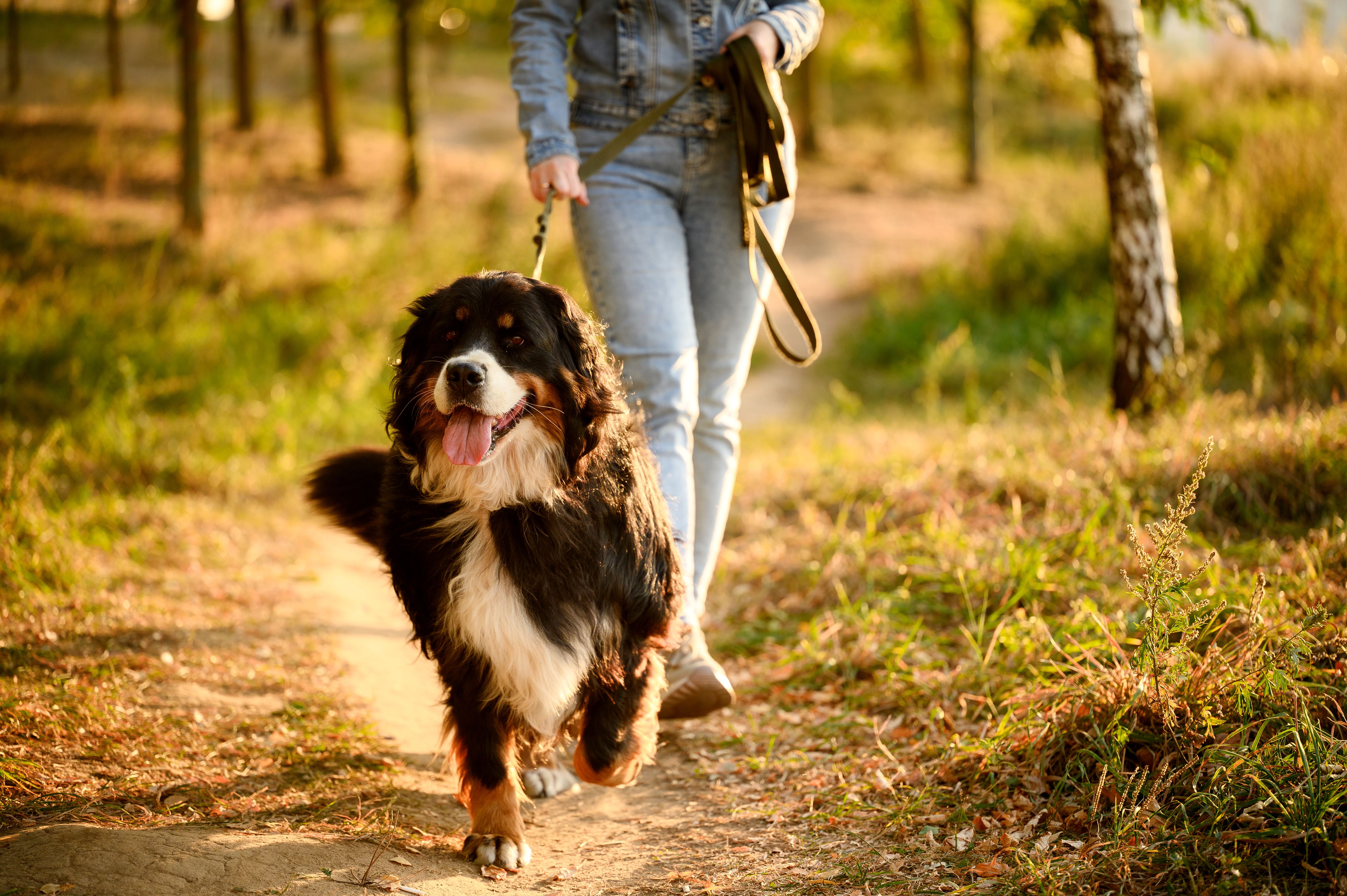
Having the right equipment is crucial for a successful walk. Invest in a sturdy leash and collar or harness. A harness can provide more control and comfort for both you and your dog. Make sure the equipment fits properly to avoid discomfort or escape attempts.
Consider carrying a portable water bowl and some treats. Hydration is important, especially in warmer weather. Treats can be a great way to reinforce good behavior during the walk.
Preparing Your Dog Mentally
Before you leave the house, take a few moments to prepare your dog mentally for the walk. Establish a calm environment to prevent over-excitement. Encourage your dog to sit and wait patiently while you put on their leash.
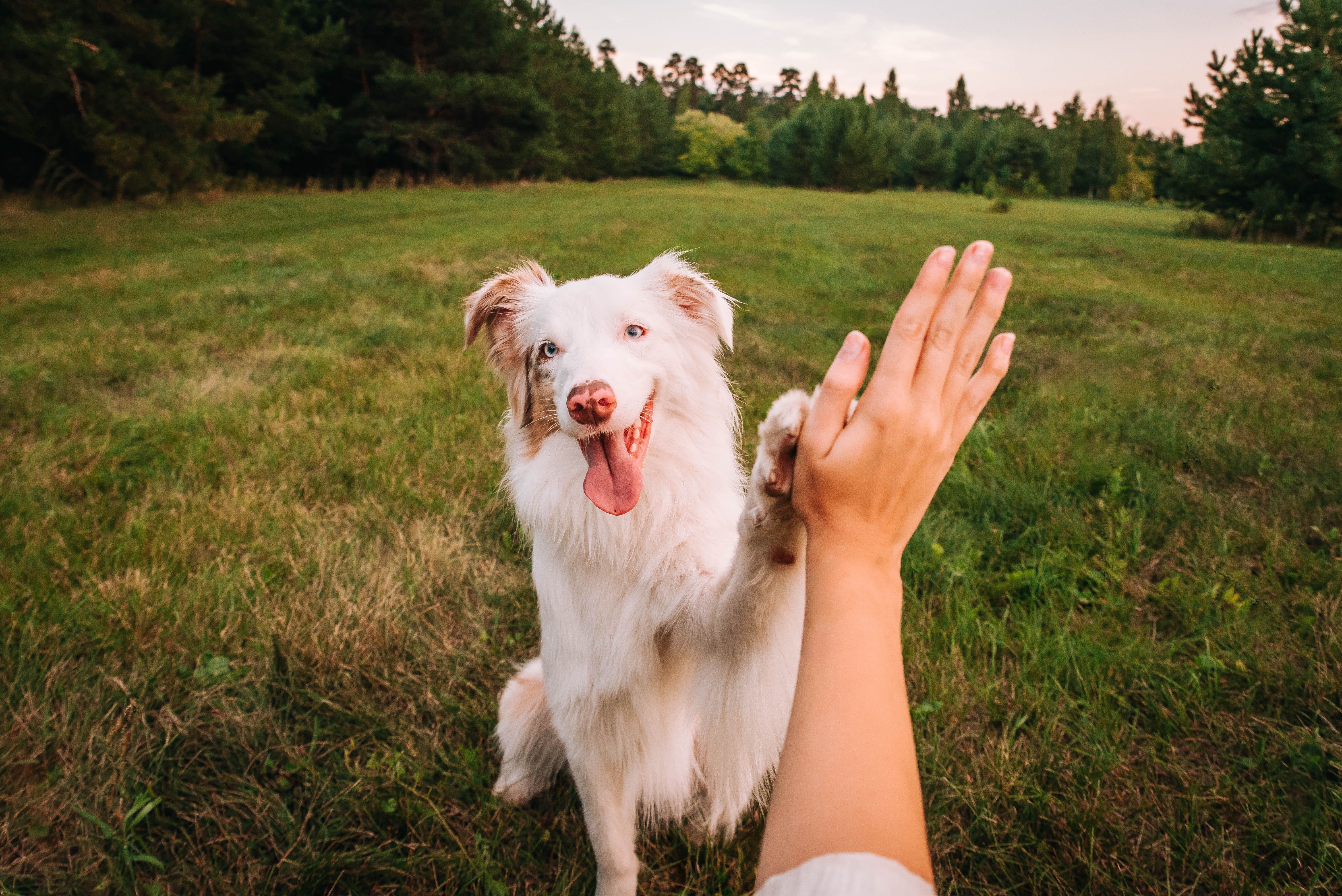
Use this time to set expectations for behavior during the walk. Consistency is key, so make sure to reinforce commands like "heel" and "stay" regularly.
Choosing the Right Route
Selecting the right route is an important step in ensuring a pleasant experience for both you and your dog. Consider your dog's temperament and comfort level with various environments. Some dogs thrive in busy, urban areas, while others prefer quieter, more natural settings.
Familiarize yourself with local parks and trails that are dog-friendly. These areas often provide a safe space for dogs to explore and socialize with other pets.
Safety Considerations
Safety should always be a top priority during your walks. Be aware of potential hazards such as traffic, other animals, and environmental dangers. Keep your dog on a leash unless you're in a designated off-leash area.
Always carry identification for your dog in case they get lost. Microchipping and tags with your contact information can help ensure a safe return.
Post-Walk Routine
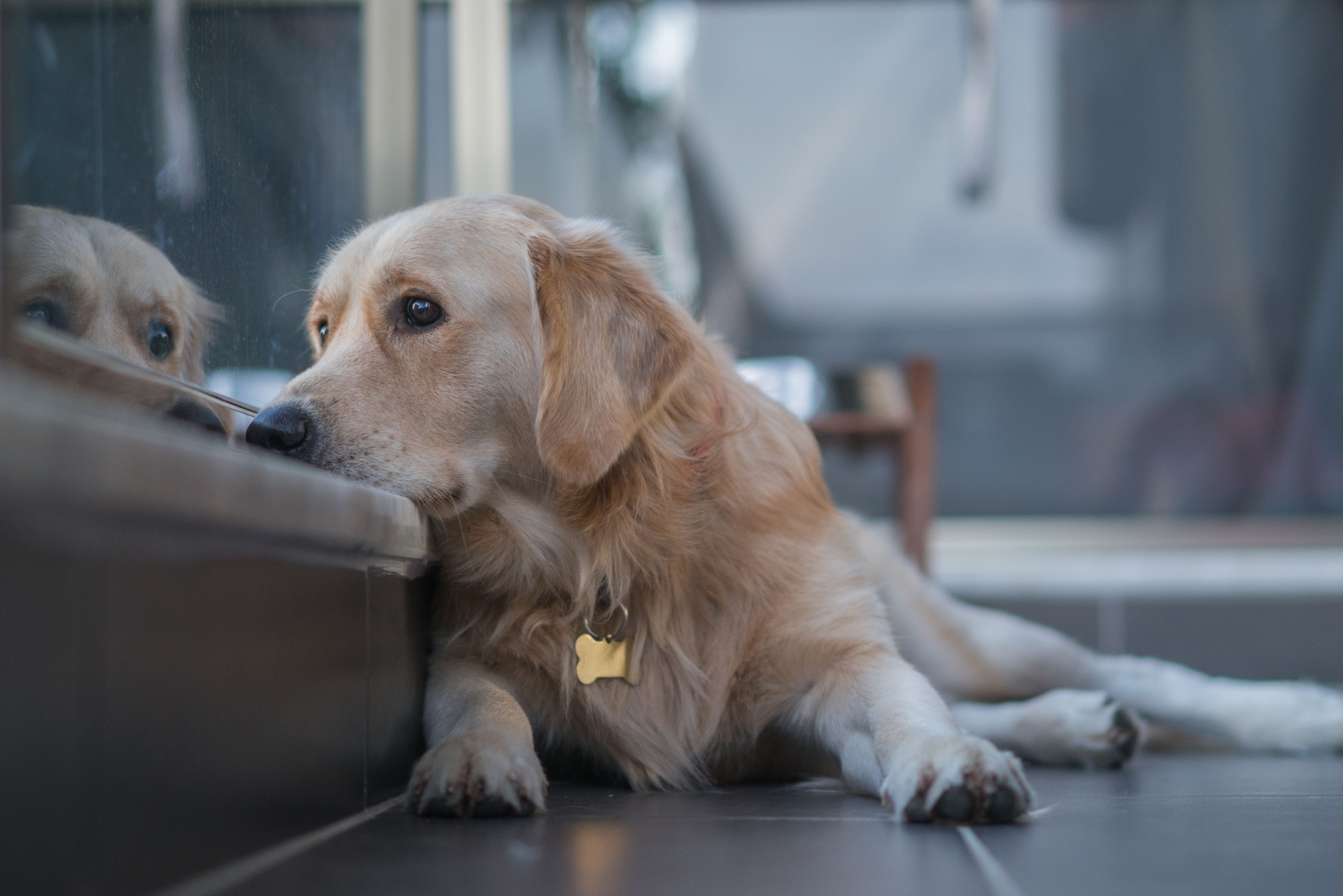
After the walk, establish a consistent post-walk routine. Check your dog for ticks, burrs, or any injuries. Offer them water and a comfortable space to rest and recover.
Regular walks are a great opportunity to bond with your dog and improve their physical and mental well-being. By preparing properly, you can make every walk a successful and enjoyable experience.