How to Train Your Dog for Better Walking Experiences


Understanding Your Dog's Walking Behavior
Walking your dog should be a pleasurable experience for both you and your furry friend. However, it can become a challenging task if your dog is not properly trained. Understanding your dog's natural behavior is the first step towards improving your walking experiences. Dogs are naturally curious and energetic, which can lead to pulling on the leash or becoming distracted by their surroundings.
To address these behaviors, it's crucial to identify the underlying causes. Is your dog pulling because they're excited, or is it due to anxiety? Recognizing these triggers can help you tailor your training approach effectively.
Choosing the Right Equipment
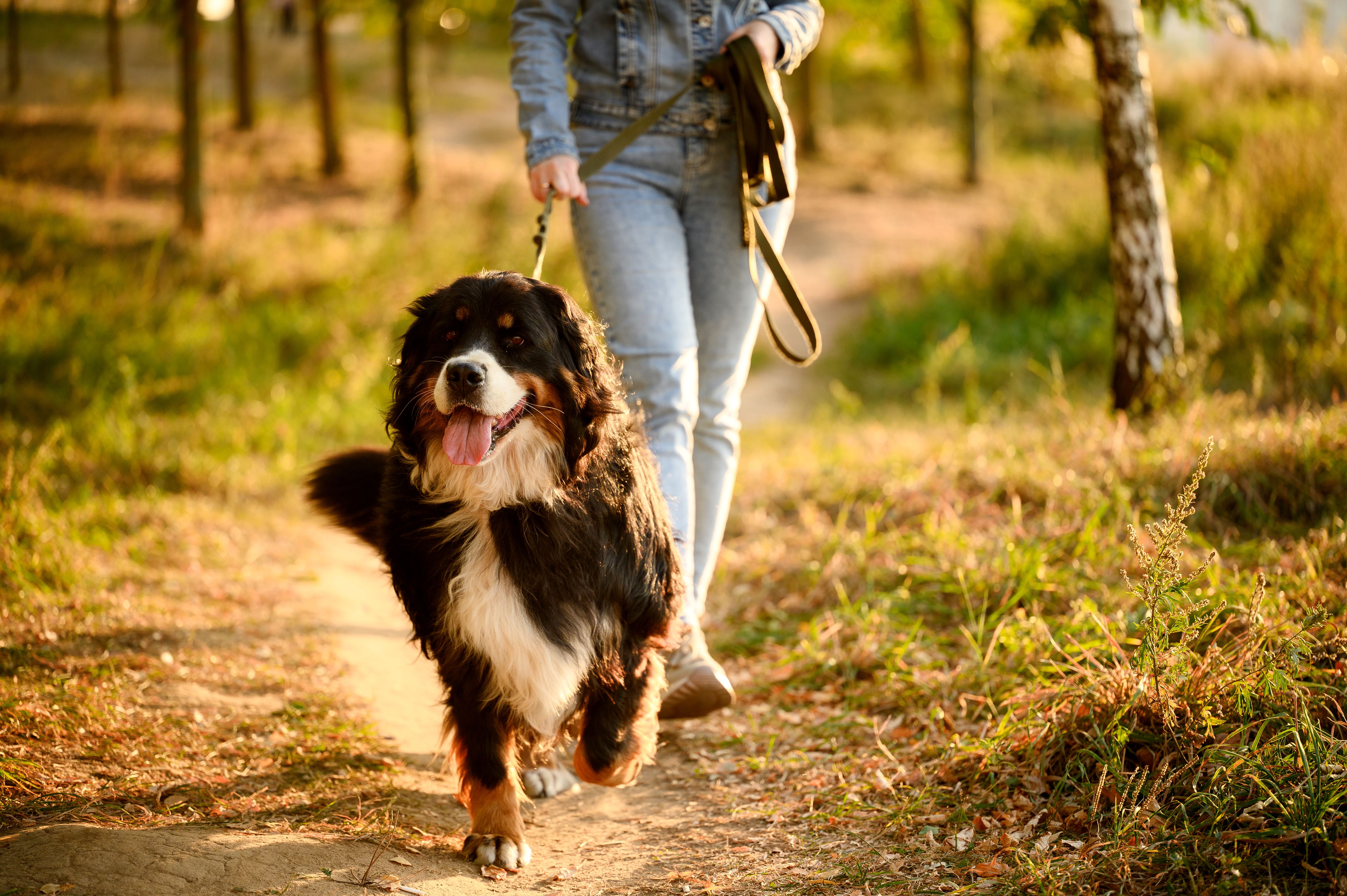
Using the correct equipment can make a significant difference in your walking experience. A well-fitted collar or harness can provide better control and comfort for your dog. Many experts recommend harnesses for dogs that tend to pull, as they distribute pressure more evenly across the body.
Consider using a leash that is the right length for your environment. In crowded areas, a shorter leash can provide more control, while a longer leash is suitable for open spaces where your dog can explore safely.
Training Techniques to Improve Walking
Consistency is key when training your dog to walk properly. Start by practicing in a distraction-free environment, gradually introducing more challenging settings as your dog improves. Positive reinforcement, such as treats and praise, can be effective in encouraging desired behaviors.
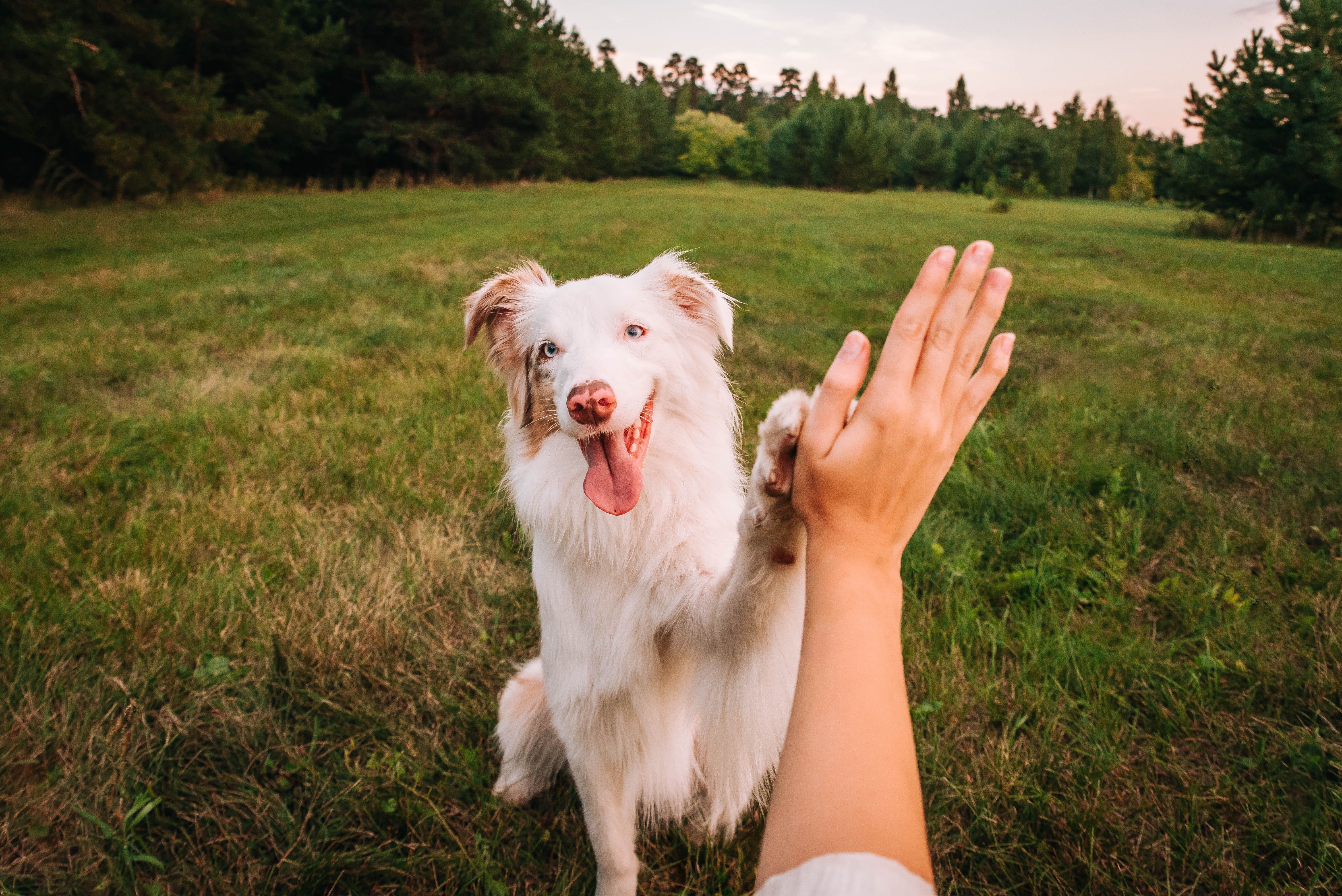
One popular technique is the "stop and go" method. If your dog begins to pull, stop walking and only resume once they have calmed down. This teaches them that pulling will not get them where they want to go faster.
Incorporating Obedience Commands
Teaching basic obedience commands like "sit," "stay," and "heel" can greatly enhance your walking experience. These commands can help manage your dog's behavior in stimulating environments and keep them safe during walks.
Practice these commands regularly during walks, rewarding your dog for responding correctly. Over time, your dog will learn to associate these commands with positive outcomes.
Dealing with Distractions
Dogs are naturally curious, and distractions are inevitable during walks. Whether it's a squirrel, another dog, or a passerby, these distractions can lead to pulling or barking. Training your dog to focus on you despite these distractions is essential.
Use treats or toys to redirect their attention back to you. Gradually increase the level of distraction as your dog becomes more proficient at maintaining focus.
Ensuring a Positive Experience
Remember, walking should be an enjoyable activity for both you and your dog. Take the time to explore different routes, allowing your dog to experience new sights and smells. This variety can keep walks interesting and engaging for your pet.
Be patient and consistent with your training. Every dog learns at their own pace, and persistence will pay off in the long run. Celebrate small successes to keep yourself motivated and your dog enthusiastic.